
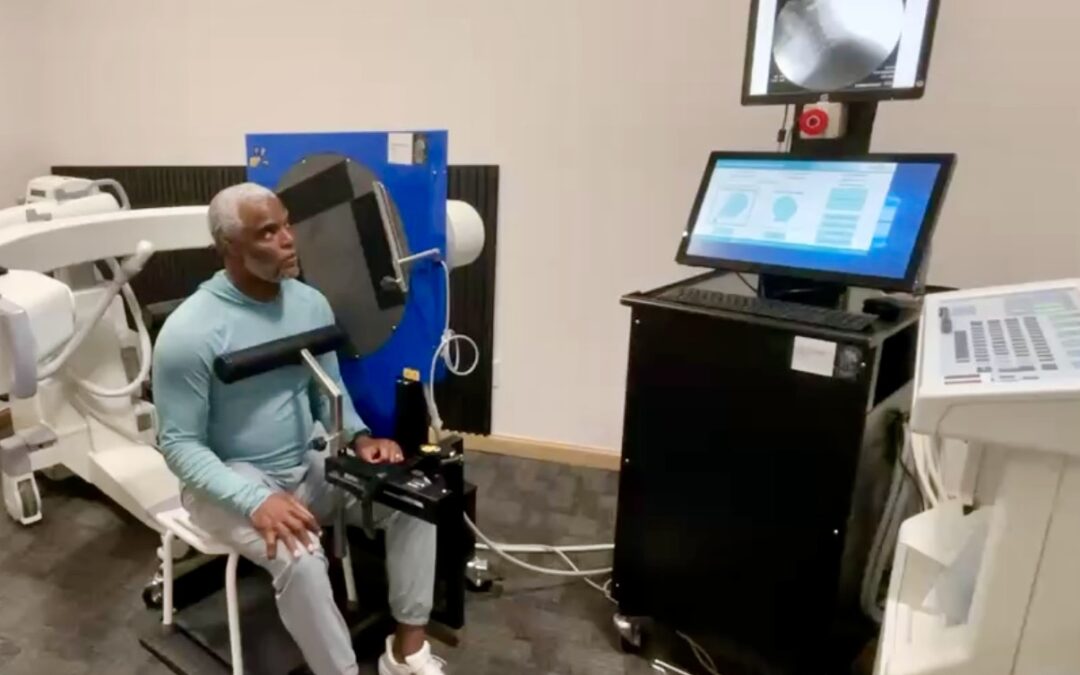
Chronic pain affects millions of Americans every year, creating a massive public health challenge that traditional medicine often struggles to solve. According to the U.S. Centers for Disease Control and Prevention, nearly one in four U.S. adults, about 24.3%, report chronic pain lasting three months or longer (CDC: https://www.cdc.gov/nchs/products/databriefs/db518.htm).
That means tens of millions of people are living with persistent discomfort that interferes with work, relationships, and daily life. Even more concerning is that approximately 8.5% of adults experience high-impact chronic pain severe enough to limit everyday activities (CDC: https://www.cdc.gov/nchs/products/databriefs/db518.htm).
Are you dealing with the frustration of chronic pain?
Standard diagnostic tools like X-rays or MRIs miss important data because they take static images without seeing the spine in motion. Because of this, you may be stuck managing symptoms rather than addressing the underlying cause.
But now, new technology can see what’s really going on.
Specifically, traditional imaging shows structure, but not function. Many chronic pain conditions are driven by how the body moves, stabilizes, and communicates rather than what it looks like in a still image.
Instead, advanced guided motion imaging evaluates the spine in real time. The approach reveals cervical spine instability, ligament laxity, and abnormal vertebral motion… all key factors linked to long-term pain. This is because chronic pain is not just a musculoskeletal issue; it is also deeply connected to the nervous system.
When spinal instability or injury disrupts communication between the brain and body, the nervous system can become stuck in a heightened stress response. Then his amplifies pain signals, delays healing, and contributes to symptoms like headaches, fatigue, cognitive fog, and emotional strain.
To help identify areas of overactivity or underactivity that may relate to these symptoms, InControl Imaging uses FDA-cleared EEG with qEEG Analysis to measure brainwave activity and responses to stimuli, creating a cognitive performance map. These tools provide objective data about how the brain is functioning and whether neurological dysregulation is contributing to chronic pain.
By understanding both spinal motion and brain activity, you receive a more complete picture of what is driving your symptoms.
With this clarity, you can get the personalized rehabilitation and brain training programs designed to restore stability, improve neural communication, and calm an overactive nervous system. Instead of masking pain with medications, this approach focuses on retraining the systems that control movement, perception, and recovery.
Given the growing number of Americans living with chronic pain, the need for better diagnostic insight has never been greater.
If you feel dismissed, misunderstood, or stuck, it’s time to take a new path. By uncovering what static images miss and addressing the root causes of chronic pain, you can finally move beyond symptom management and toward lasting relief.
Learn more and schedule your appointment here.