
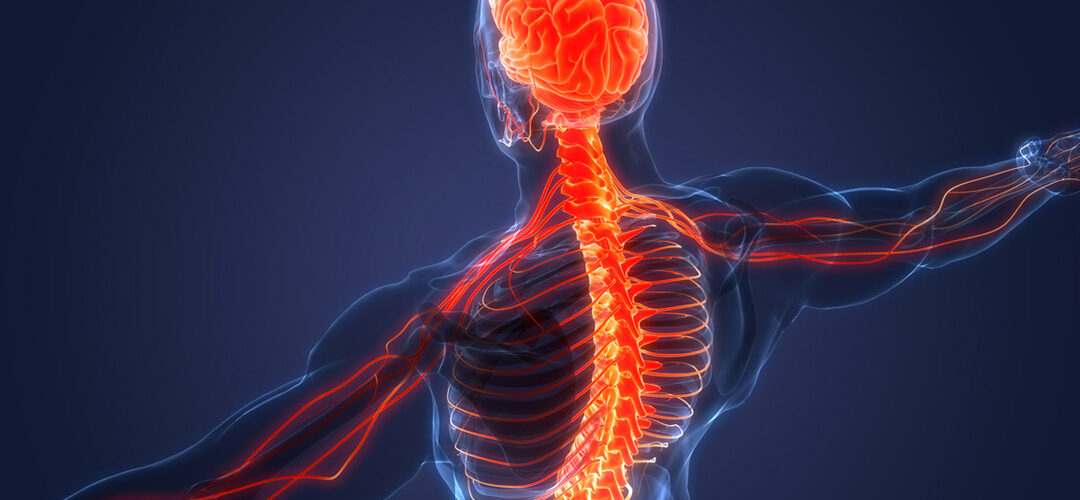
If you experience unexplained brain fog, memory problems, or difficulty concentrating after a brain injury, the answer may be in your neck… not in your head.
What is the connection between cervical spine instability and your brain? The latest research reveals a crucial connection between cervical spine instability, brain injury, and cognitive function that can be vital to obtaining the right diagnosis and treatment.
Understanding the Brain and Cervical Spine Instability Connection In a Brain Injury
Your cervical spine is a gateway to brain health. When the upper cervical spine becomes unstable, whether from injury, genetic conditions, or ligament laxity, it can trigger a cascade of effects that impact cognitive abilities.
When you have a brain injury or your brain is under stress, it can disrupt brain signals and keep your body in fight-or-flight mode.
Cervical Spine Instability and Ligament Laxity Work Together
Cervical spine instability (CSI), an overactive autonomic nervous system (ANS), and ligament laxity combine to contribute to cognitive impairments including brain fog, memory problems, reduced processing speed, attention deficits, and increased dementia risk. Cervical spine instability affects cerebral blood flow which leads to hypoperfusion. This is when brain tissue doesn’t get enough oxygen and nutrients and is recognized as a key risk factor for dementia.
With ligament laxity, loose ligaments create chronic mechanical stress, disrupt motion, and increase autonomic nervous system dysfunction. This creates an ongoing feedback loop that affects cognitive function.
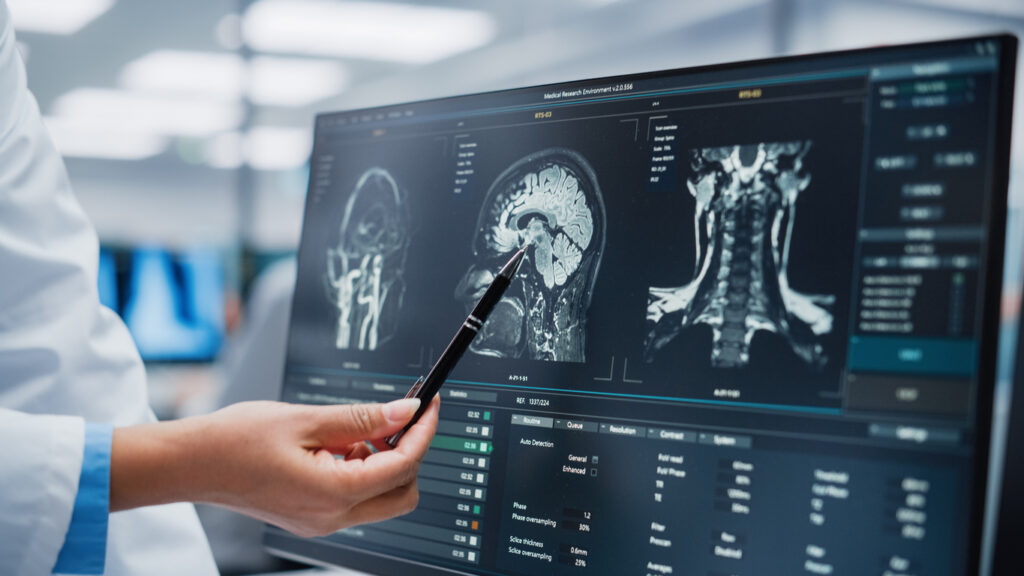
Traditional Brain Injury Imaging Via Standard X-rays and MRIs Miss Important Information.
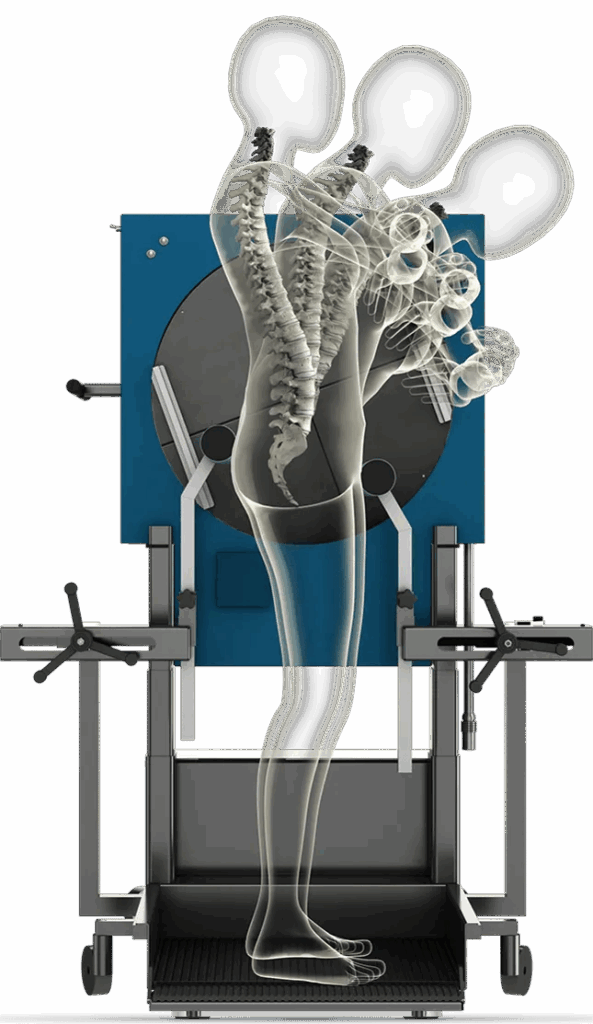
Because they take static images, these scans miss what’s causing the instability in abnormal movement, especially of patient’s who may have concurrent cervical spine issues. This means that millions of people are not getting the correct diagnosis and treatment plans to heal and stop their pain.
In fact:
- Approximately 1.7 million people in the U.S. sustain traumatic brain injuries annually
- An estimated 3.8 million concussions occur in sports and recreation, with up to 50% going unreported.
- Many brain injury cases contribute to undiagnosed cervical spine instability affecting cognitive function. cognitive function.
A Unique Solution: The InControl Imaging Approach
Now, there is a new approach using the latest technology. Here at our InControl Imaging center in Moore, Oklahoma (with new locations on the way), we address the brain-spine connection with a unique combination of:
Guided Motion Imaging
Learn more here.
Baseline and Emergency EEG
Click here for more information.
Personalized Brain Training
Targeted training strengthens neural pathways, improves cognitive function, and restores healthy brain-spine communication.
Testing can be performed within hours to days following trauma, making it valuable for accident injuries and anyone experiencing unexplained cognitive symptoms.
Take Action for Your Cognitive Health!
Don’t let a potential misdiagnosis keep you from living life to the fullest. The connection between cervical spine instability and cognitive decline is real. By understanding this relationship and obtaining the right information, it’s possible to stop your pain, improve mental clarity and live life to the fullest.
For additional information and to schedule your FREE consultation, learn more here.
Medical references available upon request.