
Case Workers
Get the data you need about TBI brain injuries and more to
improve employee health and reduce costly claims…fast.
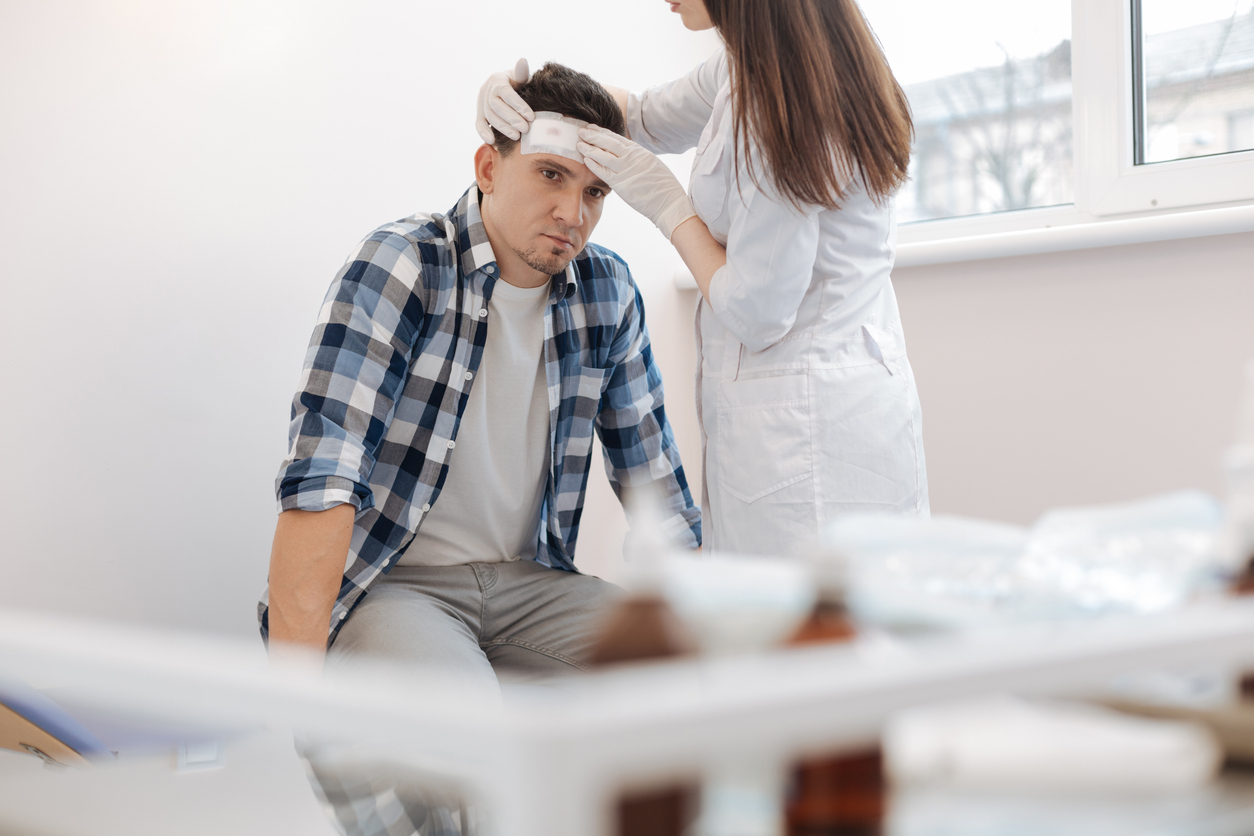
Do they have a traumatic brain injury, or TBI? Brain injuries may remain undiscovered and reported.
Many injured workers never get the right testing to prove the problem… until now.
TBI brain injuries account for about 60% of head injury claims in Workers’ Comp, with an average cost of $136,000 per claim – some exceeding a million.
OSHA data shows only 63% of serious workplace injuries are reported, and fewer than half of those result in claims.
Early and objective injury detection protects workers and the people they serve.
But traditional, static scans miss important diagnoses that cannot be seen without real-time, recorded movement. Plus, they do not include brain assessments.
InControl Imaging helps patients avoid missed and misdiagnosed injuries by providing non-invasive, objective assessments of the brain AND spine, recognizing that they work together as the body’s communication highway.
Unlike others, InControl Imaging Can:
- Detect Ligament Injuries
Proprietary, guided, spinal motion imaging in real-time detects potential ligament injuries, spinal instability, or impairment that may not be visible on standard static X-rays and other scans. You obtain a clearer understanding of how the spine is currently functioning and how it may impact brain signals.
- Identify What’s Going On In Your Brain
By measuring brainwave activity and responses to stimuli via EEG with qEEG that is FDA-cleared, you receive a cognitive performance map. Then, you can identify areas of overactivity or underactivity that may relate to symptoms such as headaches, brain fog, and slowed reaction times.
- Help Patients Reach Peak Cognitive Performance
Via a proprietary brain and stress performance assessment panel, we evaluate brain–spine communication, stress recovery capacity, and overall neurological efficiency. Paired with targeted brain fitness strategies, patients get the right support to rehabilitate and reach peak performance goals.

This goes beyond simple diagnostics.
By combining guided neuroplasticity training, stress-reduction techniques, and spinal stability strategies, patients receive an accurate diagnosis to improve focus, memory, reaction time, and resilience.
You receive objective documentation to support your case never before available.
Learn about baseline and post-injury testing, visual case summaries, HIPAA-compliant provider reports, and personalized cognitive and spinal performance training.