
Doctors, Surgeons, Chiropractors
Close the Gap Between Brain and Spine Diagnostics
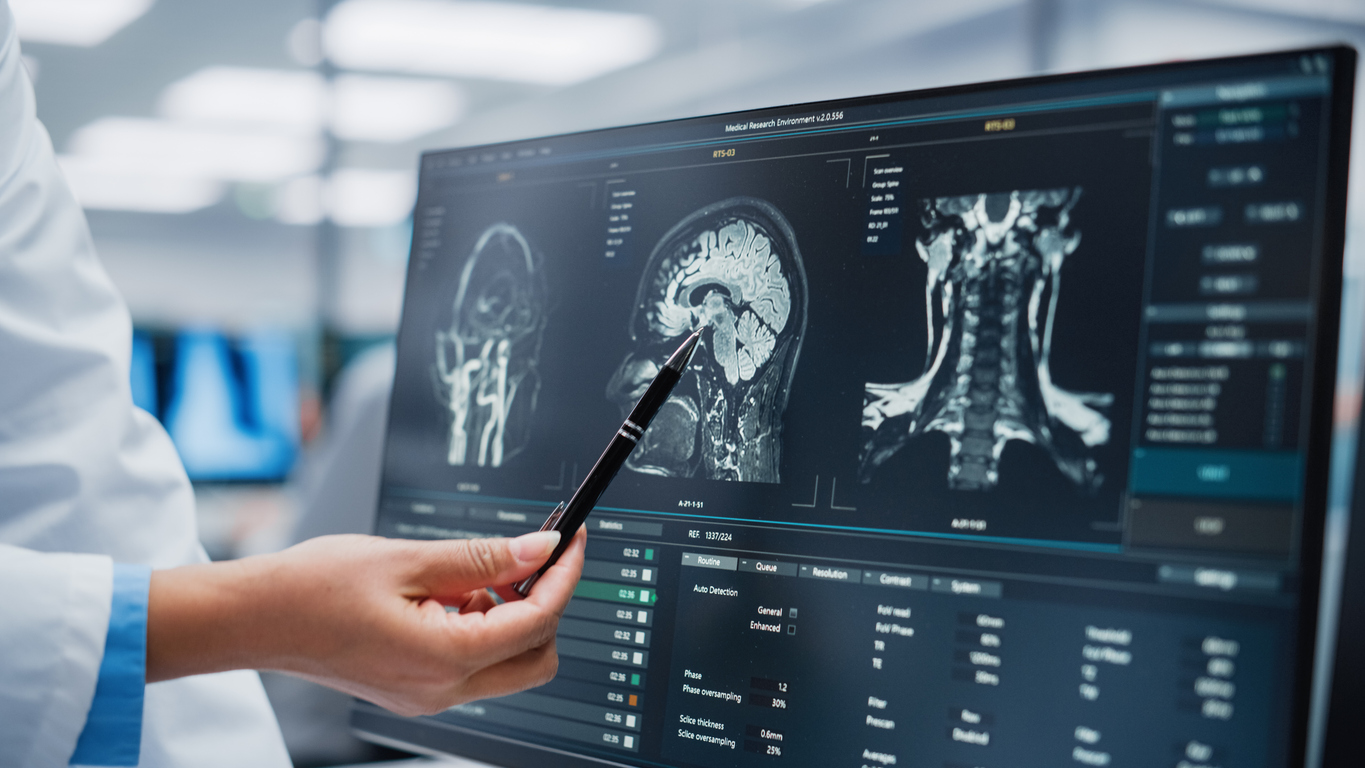
Trauma to the brain and spine rarely happens in isolation — but our diagnostics often treat them separately. This creates blind spots that delay recovery and drive costs.
- Traumatic Brain Injuries (TBI) account for roughly 60% of head-injury claims in U.S. workers’ compensation cases, with an average cost of $136,000 per claim and some exceeding $1 million (NIOSH/CDC, 2023).
- OSHA estimates that only 63% of serious workplace injuries are reported, and fewer than half of those become claims.
- Cervical and lumbar ligament injuries are frequently missed on static imaging. A 2024 study in Journal of Trauma & Acute Care Surgery showed that up to 30% of spinal ligament injuries in trauma patients are not visible on a standard MRI or CT scan.
Early and objective detection protects workers and reduces costs — yet traditional scans simply aren’t designed to show dynamic spinal instability or real-time brain function.
At InControl Imaging, our integrated approach bridges the brain–spine gap and:
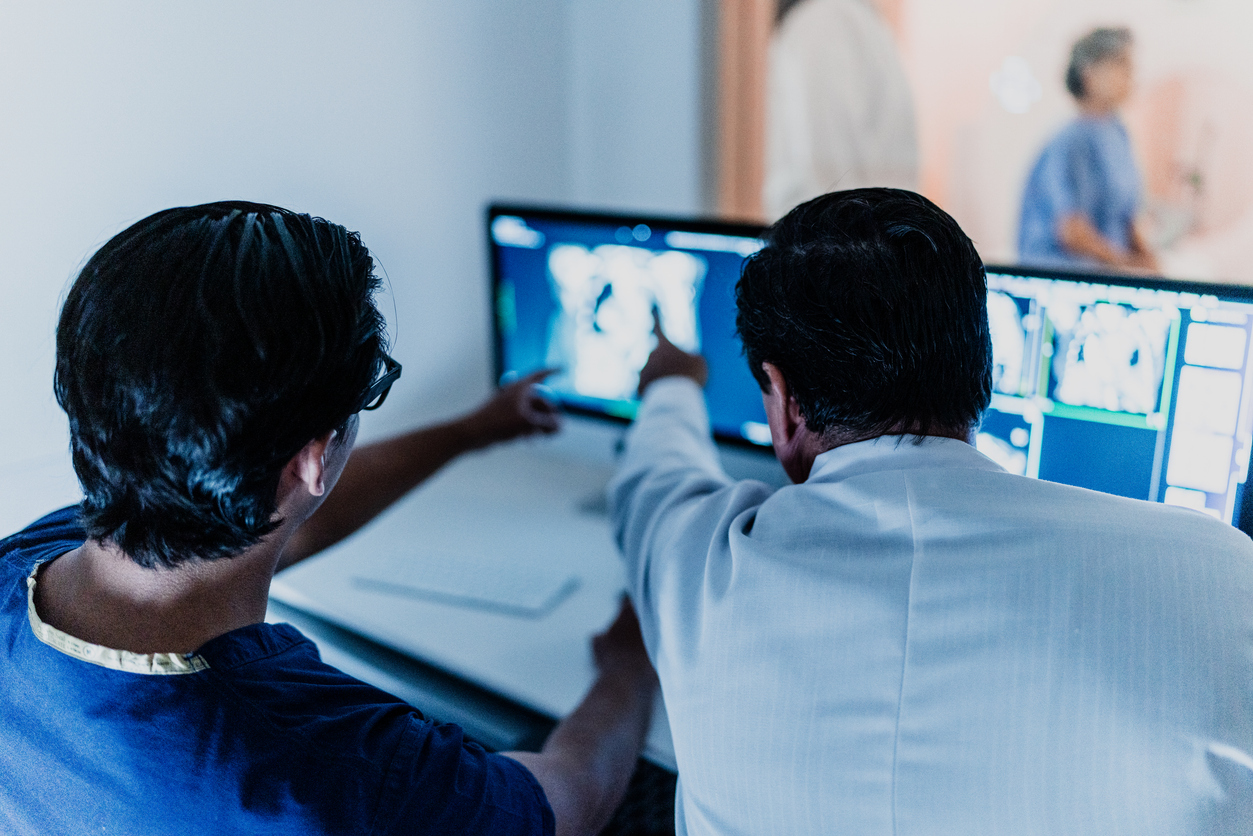
- Detects Ligament and Spinal Instability with Guided Motion Imaging
Our proprietary guided spinal motion imaging records vertebral movement in real-time. This non-invasive, dynamic study reveals ligament injuries, spinal instability, or impairment that may be invisible on static X-rays or MRIs. You receive a clearer picture of how the spine actually functions — and how it may be affecting brain signaling.
- Identifies Neurological Dysfunction with FDA-Cleared qEEG
We use EEG with quantitative EEG (qEEG) mapping to measure brainwave activity and responses to stimuli, producing a cognitive performance map. This identifies areas of overactivity or underactivity related to symptoms such as headaches, “brain fog,” slowed reaction time, or impaired executive function.
- Supports Peak Cognitive and Physical Performance
Through our proprietary Brain and Stress Performance Assessment Panel, we evaluate brain–spine communication, stress recovery capacity, and overall neurological efficiency. We then pair findings with targeted neuroplasticity training, stress-reduction protocols, and spinal stability strategies to rehabilitate and optimize performance.
You:
- Receive valuable, objective documentation unavailable previously for the right diagnosis and treatment
With baseline and post-injury brain testing, visual case summaries, HIPAA-compliant provider reports, and individualized cognitive/spinal performance data, you uncover hidden injuries and correlating brain dysfunction early, reducing missed diagnoses and litigation risk.
- Improve evidence-based rehabilitation
With dynamic imaging and brain data, you can guide surgical plans, rehab protocols, and return-to-work decisions.
- Improve outcomes while saving time and money
Early intervention reduces the likelihood of chronic disability and reduces the costs for patients, providers, and everyone involved.

See the Results…
- Dynamic fluoroscopy detects cervical instability with 40–60% higher sensitivity than static imaging.
- qEEG Utility: A 2022 review in Frontiers in Neurology found qEEG biomarkers significantly improve detection of post-concussive changes compared to clinical exam alone.
- Combined Assessments: Integrated neuro–spinal testing has been linked to faster return-to-work times and reduced repeat injuries in occupational health programs (Occupational Medicine, 2024).
It’s time to use the latest technology to fill the missing gap between spine and brain health.
Combine spinal motion imaging with advanced brain mapping and training, and you’ll be able to catch injuries before they become chronic, substantiate clinical decisions with objective data, and protect your patients and your practice from the cost of missed diagnoses.
Discover how InControl Imaging can help you close the diagnostic gap between the brain and spine.
Offer your patients — and your organization — a new level of clarity and care.